Our languages are more than just words; they are our identity. In 2026, the best way to save them might not be a textbook, but a line of code.
The Silence in the Kitchen
There’s a scene playing out in many Naga households today that should worry us. A grandmother speaks to her grandson in Lotha or Ao, and the boy—bright, educated, and part of our 95% literacy statistics—responds in English or Nagamese. He understands her, but he can't speak back.
In 2026, we are witnessing a "digital silence." If a language doesn't exist on a smartphone, in a search engine, or within an AI’s training data, the next generation treats it as a relic of the past rather than a tool for the future.
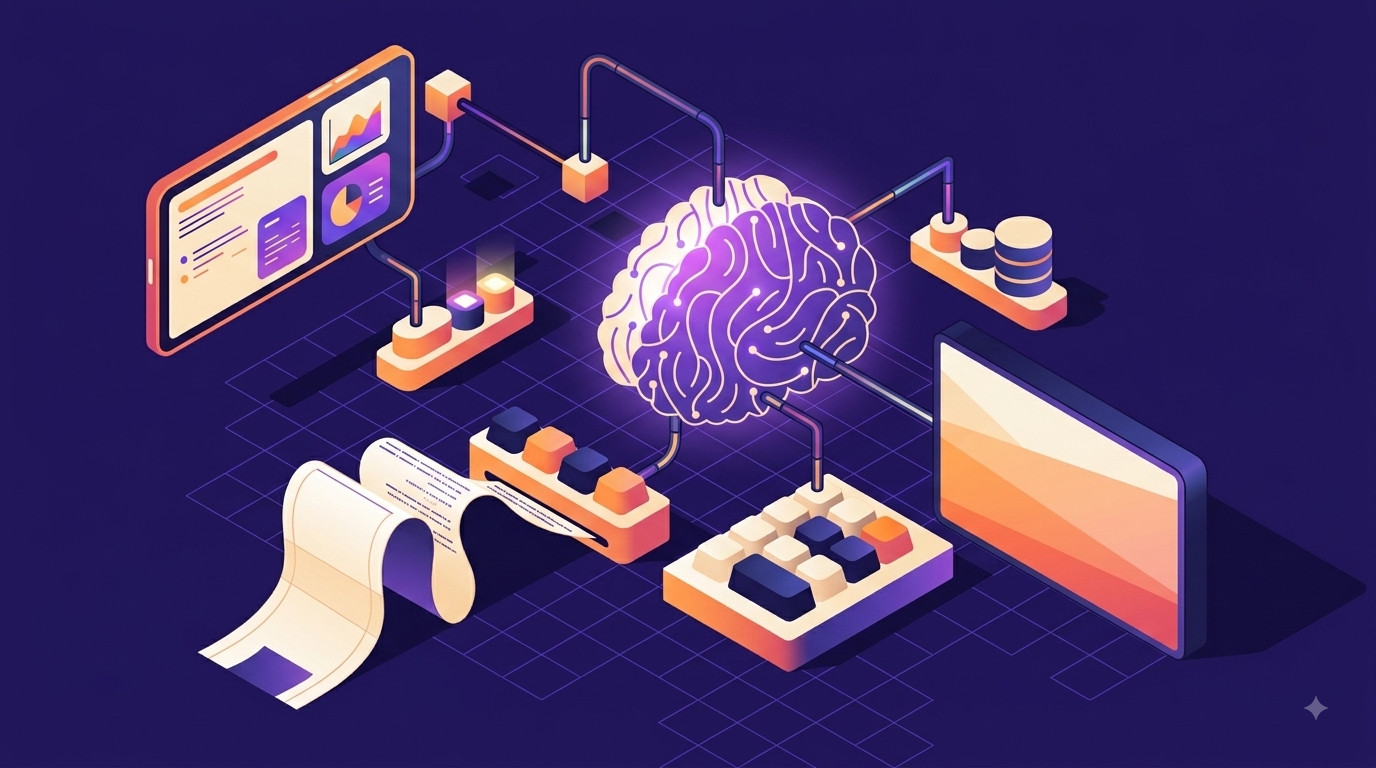
But what if I told you that the same technology often blamed for "erasing" culture is actually our best chance at saving it? At instudia, we believe that Python isn't just for building apps; it's a digital loom we can use to weave our heritage into the modern world.
Why Python is the Modern "Dictionary"
When we teach Python at instudia, we don't just talk about syntax. We talk about Natural Language Processing (NLP).
Just this year, Nagaland University began a massive project to develop written grammar for 18 recognized Naga languages. This is a monumental step, but paper records are only half the battle. To make Tenyidie or Sümi thrive in 2026, they need to be "machine-readable."
1. Transcribing the Elders (AI Speech-to-Text)
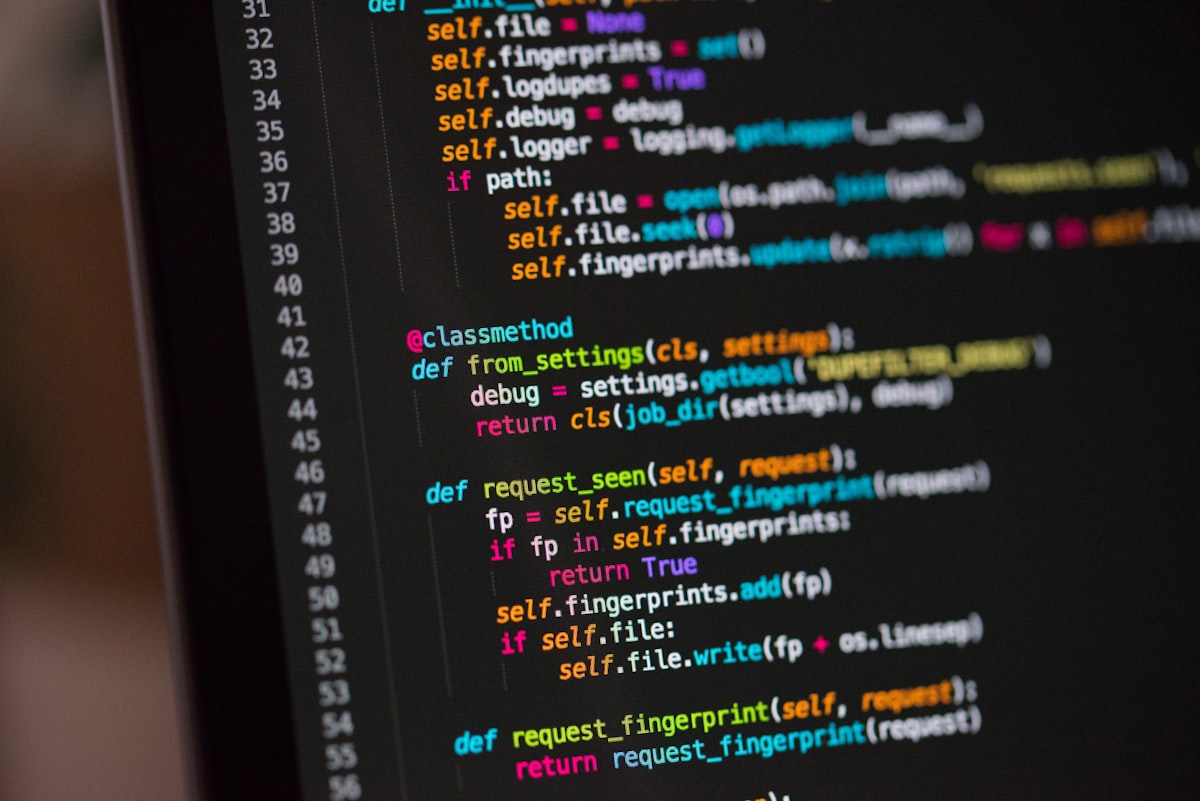
Our elders carry centuries of oral history, folk songs, and medicinal knowledge. Using Python libraries and AI models like Whisper, our youth can build tools that listen to these recordings and automatically transcribe them into text. Imagine a database where a student in Delhi can search for a specific Naga folk tale in their mother tongue and get an instant, accurate transcript.
2. The "Adi-Vaani" and "Bhashini" Connection
The Government of India recently launched Adi-Vaani, an AI platform specifically for tribal languages. This isn't just for the big cities; it's a call to action for Naga coders. By using Python to clean and feed local language data into these platforms, we ensure that Naga dialects aren't left out of the global AI revolution.
3. Building Community Translation Bots
Imagine a WhatsApp bot, built by a student from Mokokchung, that helps people translate Nagamese slang into formal Ao grammar. This isn't science fiction anymore. With Python's Hugging Face Transformers, a group of motivated students can "fine-tune" existing AI models to understand the unique tones and structures of our tribal tongues.
Moving Beyond "Occasional Celebrations"
As many educators in Wokha and Kohima have pointed out this year, a language cannot survive if we only celebrate it once a year during a festival. It has to be used daily.
By "Coding Our Heritage," we are making our mother tongues useful again. We are giving them a seat at the table in the digital economy.
My Message to the Youth of Nagaland
You are the first generation in our history who can be both a guardian of the past and a pioneer of the future. You don't have to choose between being a "Naga" and being a "Techie."
At instudia, we aren't just training you to get jobs in Bangalore or Tokyo. In our Python Programming Track, Data Analytics Course, and Generative AI Program, we train you to build real-world tools that solve meaningful local problems. Read our post on why Python drives modern AI or explore our complete beginner's coding guide to start your journey.
Let’s stop just speaking about our heritage. Let’s start coding it. Feel free to explore our courses or contact our team.
Which Naga language do you think needs a digital "upgrade" first?

instudia Editorial Team
Academic & Career Team
ISO Certified Skill Institute
Official articles and curriculum guides prepared by instudia faculty and industry mentors in Dimapur.
Relevant Courses at Instudia